
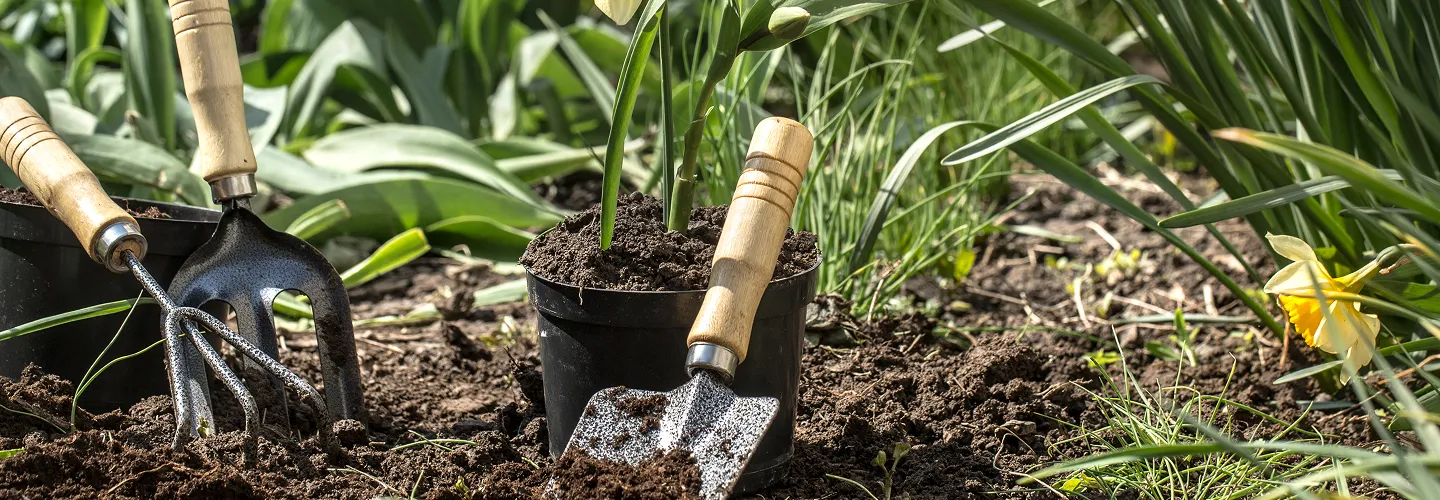
Fairfield Flower Planting Services
Choose our flower planting services for vibrant, healthy blooms that enhance your home's curb appeal and create a welcoming outdoor space, all handled by experienced professionals who care about your satisfaction.
Get a Free QuoteOur Fairfield Landscaping & Yard Care Services
When to Schedule Flower Planting in Fairfield, Connecticut – Seasonal Guide
Flower planting in Fairfield, Connecticut, is best scheduled with careful attention to our region’s unique climate and landscape. The optimal planting windows typically fall in early spring, after the last frost—usually mid-April to early May—or in early fall, when soil temperatures remain warm but the risk of heat stress is low. Neighborhoods near Jennings Beach or Greenfield Hill may experience slightly different microclimates, so it’s important to consider your property’s specific conditions.
Local environmental factors such as late spring frosts, summer drought risk, and the area’s characteristic humidity all play a role in determining the best time for planting. Soil types can vary from sandy loam near the coast to heavier clay inland, affecting drainage and root establishment. Shade coverage from mature trees in areas like Southport or Stratfield can also influence flower selection and timing. For more information on local planting guidelines and municipal considerations, visit the Town of Sudbury’s resource page.
Local Factors to Consider for Flower Planting in Fairfield
- Proximity to Long Island Sound and its moderating effect on spring and fall temperatures
- Tree density and shade coverage, especially in established neighborhoods
- Soil type and drainage, which can vary between coastal and inland properties
- Average precipitation and risk of summer droughts
- Terrain and slope, impacting water runoff and soil erosion
- Municipal restrictions or guidelines on planting and landscaping
Benefits of Flower Planting in Fairfield
Expert Local Knowledge
Customized Landscape Designs
Seasonal Plant Selection
Enhanced Curb Appeal
Eco-Friendly Practices
Reliable Maintenance Services
Fairfield Flower Planting Types

Perennial Flower Beds
-
Annual Flower Displays
-
Native Wildflower Gardens
-
Seasonal Bulb Plantings
-
Pollinator-Friendly Plantings
-
Shade Garden Flowers
-
Container Flower Arrangements
Our Flower Planting Process
Site Evaluation
Soil Preparation
Plant Selection
Careful Planting
Watering and Mulching
Why Choose Fairfield Landscape Services
-
Fairfield Homeowners Trust Us
-
Expert Lawn Maintenance
-
Reliable Seasonal Cleanup
-
Competitive Pricing
-
Professional Team
-
Satisfaction Guarantee
-
Personalized Service
Soil Series and Drainage Considerations for Flower Planting in Fairfield
Flower planting in Fairfield requires careful attention to local soil conditions, which are predominantly Inceptisols and Ultisols formed from glacial till. These soils are often rocky, moderately acidic (pH 5.5–6.5), and can exhibit poor drainage, especially in low-lying areas. Before planting, it is recommended to conduct a soil test through UConn Extension (typical cost: $15–25) to determine pH and nutrient levels. Amendments such as lime (for pH below 6.0) or compost (2–3 inches tilled to 6-inch depth) are commonly needed. For sites with compacted or stony soils, double-digging or raised beds may improve root establishment. Drainage improvements, such as French drains or organic matter incorporation, are essential in areas with a seasonal water table at 12–18 inches. Research local soil series using the USDA Web Soil Survey for site-specific recommendations.
Municipal Coordination and Permit Requirements for Planting in Fairfield
All flower planting projects in Fairfield must comply with municipal ordinances regarding property setbacks, wetland buffers, and public right-of-way restrictions. Planting within 25 feet of wetlands or watercourses requires review by the Conservation Commission, and a 50-foot setback from property lines may apply in certain zones. Permit applications for work near regulated areas typically require a $50–$75 fee and a 10-business-day review period. Equipment operation is permitted:
- Monday–Friday: 7:00 AM – 7:00 PM
- Saturday: 8:00 AM – 6:00 PM
- Sunday and holidays: Prohibited
For guidance on permit processes and compliance, coordinate with:
Fairfield Conservation Commission
725 Old Post Road, Fairfield, CT 06824
Phone: (203) 256-3071
Official Website: Fairfield Conservation Commission
Selecting Native and Adaptive Flower Species for Fairfield’s Climate Zone
Fairfield is located in USDA Hardiness Zone 6b–7a, with coastal influences and variable microclimates. Selecting species adapted to these conditions improves survival and reduces maintenance. Recommended options include:
- Full sun: Black-eyed Susan (Rudbeckia hirta), purple coneflower (Echinacea purpurea), daylily (Hemerocallis spp.)
- Partial shade: Coral bells (Heuchera americana), astilbe (Astilbe spp.), hosta (Hosta spp.)
- Deer resistant: Lavender (Lavandula angustifolia), Russian sage (Perovskia atriplicifolia), salvia (Salvia nemorosa)
- Native: Wild bergamot (Monarda fistulosa), Joe Pye weed (Eutrochium purpureum), cardinal flower (Lobelia cardinalis)
Spacing should be 12–24 inches depending on mature size. For additional guidance, consult UConn Extension for regionally appropriate plant lists and pest management recommendations.
Environmental Compliance: Wetland Buffers and Stormwater Protection in Fairfield
Flower planting near Fairfield’s wetlands, streams, and coastal areas is regulated to protect water quality and sensitive habitats. A 25-foot no-disturbance buffer is standard for wetlands, and no fertilizer or pesticide application is permitted within 50 feet of water bodies. All plant debris must be collected and disposed of according to municipal yard waste guidelines to prevent storm drain contamination, in compliance with the Clean Water Act and Connecticut Environmental Protection Act. Fairfield operates under an MS4 stormwater permit administered by the Connecticut Department of Energy and Environmental Protection, which prohibits dumping soil or plant waste in storm drains. For further information, contact:
Fairfield Department of Public Works
725 Old Post Road, Fairfield, CT 06824
Phone: (203) 256-3010
Official Website: Fairfield Department of Public Works
Seasonal Timing and Weather Considerations for Flower Planting in Fairfield
Optimal flower planting in Fairfield occurs during two primary windows: spring (April 15–May 30, when soil temperatures reach 50–65°F) and early fall (August 20–September 30, before the first frost, typically late October). Avoid planting during peak summer (June–August) due to heat stress and increased watering needs. Monitor local weather forecasts through the National Weather Service New York Office for frost advisories and rainfall patterns. Mulching with 2–3 inches of organic material helps retain soil moisture and moderate temperature fluctuations. For perennial beds, divide and replant every 3–5 years to maintain vigor. Consult the USDA Plant Hardiness Zone Map for zone-specific timing and plant selection.
What Neighborhoods Do We Serve Throughout Fairfield, CT?
- Greenfield Hill: Characterized by large lots, mature trees, and rocky glacial soils with moderate drainage challenges. Flower planting often requires soil amendment and deer-resistant species due to local wildlife.
- Southport: Historic district with coastal sandy soils, salt exposure, and proximity to wetlands. Plant selection must account for salt tolerance and buffer zone regulations.
- Fairfield Beach: Properties near Long Island Sound face wind exposure, sandy soils, and periodic flooding. Raised beds and salt-tolerant flowers are recommended.
- Stratfield: Densely developed with compacted urban soils and limited green space. Soil aeration and organic amendments are often necessary for successful planting.
- Tunxis Hill: Mixed residential and commercial area with variable drainage and occasional runoff issues. Compliance with stormwater management practices is essential.
- University Area: Student rentals and multifamily properties with high foot traffic and soil compaction. Durable, low-maintenance plantings are preferred.
- Lake Hills: Proximity to wetlands and lakes requires strict adherence to buffer requirements and careful species selection to protect water quality.