
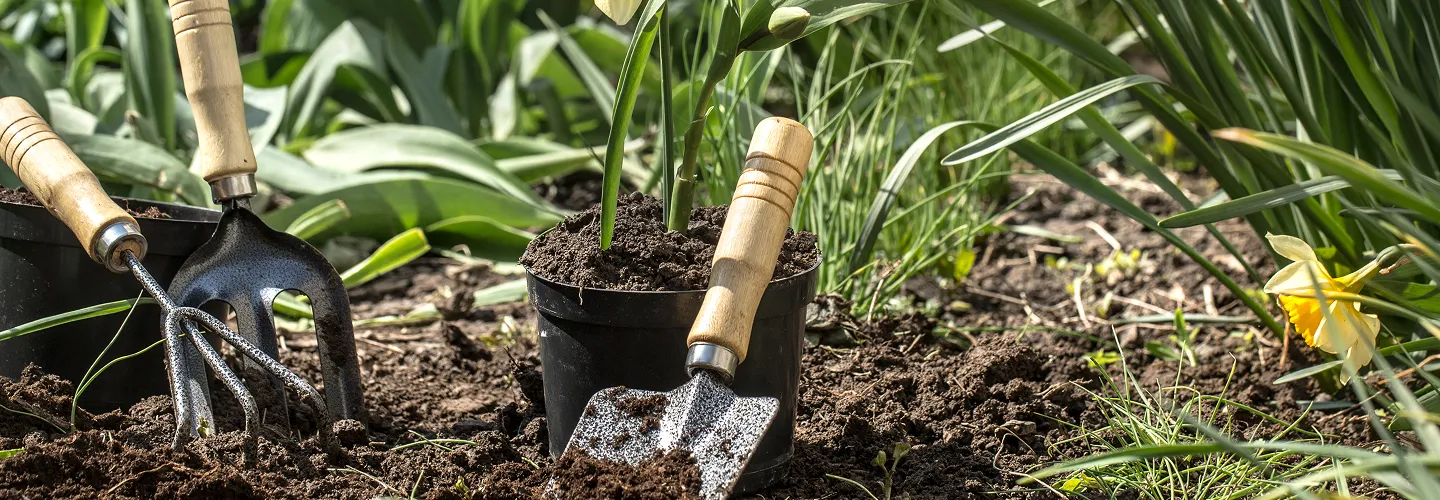
Fairfield Lawn Edging Services
Choose our Lawn Edging for precise, professional borders that boost curb appeal, prevent grass overgrowth, and give your landscape a polished, low-maintenance finish.
Get a Free QuoteOur Fairfield Landscaping & Yard Care Services
When to Schedule Lawn Edging in Fairfield, Connecticut – Seasonal Guide
In Fairfield, Connecticut, the best times to schedule lawn edging are typically in early spring and late summer. These periods align with the region’s moderate temperatures and consistent rainfall, which help grass recover quickly from edging and maintain a crisp, healthy border. Fairfield’s climate, with its cold winters and humid summers, means that edging too early in the spring—before the last frost—or during peak summer heat can stress your lawn. Neighborhoods near Jennings Beach or Greenfield Hill, for example, often experience microclimates that can affect soil thaw and moisture retention, making timing even more important.
Local environmental factors such as the risk of late spring frosts, summer droughts, and varying soil types—from sandy soils near the coast to heavier clay inland—should all be considered. Shaded properties, like those near Lake Mohegan, may require different timing than sunnier lots. Additionally, Fairfield’s municipal guidelines and seasonal restrictions, which can be found on the town’s official website, may influence when services can be performed. Consulting with a local expert ensures your lawn edging is scheduled for optimal results.
Local Factors to Consider for Lawn Edging in Fairfield
- Tree density and shade coverage, especially in wooded neighborhoods
- Soil type (sandy vs. clay) and drainage characteristics
- Typical precipitation patterns and drought risk
- Proximity to coastal areas or inland microclimates
- Municipal restrictions or seasonal service guidelines
- Terrain and slope of your property
Benefits of Lawn Edging in Fairfield

Enhanced Curb Appeal
Defined Landscape Borders
Reduced Lawn Maintenance
Weed Growth Prevention
Improved Drainage Control
Long-Lasting Results

Fairfield Lawn Edging Types

Brick Lawn Edging
-
Stone Lawn Edging
-
Metal Lawn Edging
-
Plastic Lawn Edging
-
Wood Lawn Edging
-
Concrete Lawn Edging
-
Rubber Lawn Edging
Our Lawn Edging Process
Site Evaluation
Marking Edges
Cutting the Edge
Debris Removal
Final Inspection
Why Choose Fairfield Landscape Services

-
Fairfield Homeowners Trust Us
-
Expert Lawn Maintenance
-
Reliable Seasonal Cleanup
-
Competitive Pricing
-
Professional Team
-
Satisfaction Guarantee
-
Personalized Service
Lawn Edging and Fairfield’s Glacial Till Soils: Site Preparation and Drainage
Lawn edging in Fairfield requires careful consideration of the city’s predominant glacial till soils, which are classified as Inceptisols and Ultisols according to the USDA Web Soil Survey. These soils are typically rocky, moderately acidic (pH 5.5–6.5), and often poorly drained, especially in low-lying areas. Proper site preparation is essential to ensure long-term stability and prevent water pooling along lawn edges. Best practices include:
- Removing stones and debris to a depth of 6–8 inches
- Incorporating 2–3 inches of compost to improve structure
- Testing soil pH and applying lime if below 6.0
- Installing edging at least 2 inches above grade to prevent soil migration For technical guidance on soil amendments and drainage, consult UConn Extension. Coordination with the municipal engineering department is recommended for properties with persistent drainage issues.
Fairfield Engineering Department
725 Old Post Road, Fairfield, CT 06824
Phone: (203) 256-3015
Official Website: Fairfield Engineering Department
Equipment Operation Hours and Noise Ordinance Compliance for Lawn Edging in Fairfield
Fairfield enforces specific noise ordinances and equipment operation hours for outdoor maintenance, including lawn edging. According to municipal code, powered equipment may be operated:
- Monday–Friday: 7:00 AM – 7:00 PM
- Saturday: 8:00 AM – 6:00 PM
- Sunday and holidays: Prohibited Noise levels must not exceed 85 decibels at the property line. Operators are required to use equipment with functioning mufflers and to avoid early morning or late evening work. For projects near public roads, safety cones and high-visibility vests are mandatory within 50 feet of traffic. All personnel must wear ANSI Z87.1 safety glasses and hearing protection for equipment rated above 85 dB. For further details on compliance and enforcement, refer to the city’s code enforcement office.
Fairfield Building Department
725 Old Post Road, Fairfield, CT 06824
Phone: (203) 256-3036
Official Website: Fairfield Building Department
Stormwater Management and Wetland Buffer Requirements for Edging Projects in Fairfield
Lawn edging activities in Fairfield must comply with local and state stormwater management regulations to protect wetlands, streams, and Long Island Sound. The Connecticut Environmental Protection Act and the city’s MS4 permit prohibit the discharge of soil, mulch, or clippings into storm drains. Key requirements include:
- Maintain a 25-foot no-disturbance buffer from wetlands and watercourses
- Prohibit fertilizer and pesticide application within 50 feet of water bodies
- Use biodegradable edging materials in conservation areas
- Prevent runoff by installing silt barriers during excavation Violations may result in fines or project delays. For guidance on buffer zones and environmental compliance, contact the city’s conservation commission or the Connecticut Department of Energy and Environmental Protection.
Fairfield Conservation Commission
725 Old Post Road, Fairfield, CT 06824
Phone: (203) 256-3071
Official Website: Fairfield Conservation Commission
Connecticut Department of Energy and Environmental Protection
79 Elm Street, Hartford, CT 06106
Phone: (860) 424-3000
Official Website: Connecticut Department of Energy and Environmental Protection
Seasonal Timing and Climate Considerations for Lawn Edging in Fairfield’s Coastal Zone
Fairfield’s coastal location places it in USDA Hardiness Zone 6b–7a, with average last frost in mid-April and first frost in late October. Optimal timing for lawn edging is:
- Spring: April 15 – May 30 (soil temp 50–65°F)
- Fall: September 1 – October 15 (before first frost) Avoid edging during summer heat (June–August) to prevent turf stress and soil compaction. Monitor local weather forecasts through the National Weather Service New York Office for rainfall and temperature trends. For large projects, check for seasonal restrictions in flood-prone or conservation areas. The Parks and Recreation Department can provide additional guidance for work near public parks and recreation facilities.
Fairfield Parks and Recreation Department
75 Mill Plain Road, Fairfield, CT 06824
Phone: (203) 256-3191
Official Website: Fairfield Parks and Recreation Department
What Neighborhoods Do We Serve Throughout Fairfield, CT?
- Greenfield Hill: Characterized by large lots, mature trees, and rocky glacial soils with moderate drainage challenges. Edging projects often require additional site preparation due to stone content and root density.
- Southport: Historic district with compact lots, proximity to wetlands, and stricter buffer requirements. Many properties border conservation areas, necessitating compliance with wetland setback ordinances.
- Fairfield Beach: Coastal soils are sandy and well-drained but prone to erosion. Edging must account for salt exposure and wind, with special attention to material durability and anchoring.
- Stratfield: Densely developed with smaller lots and urban fill soils, often compacted and requiring soil amendment for stable edging installation.
- Tunxis Hill: Features moderate slopes and mixed soil types, with some areas experiencing seasonal water accumulation. Drainage solutions are often integrated into edging projects.
- University Area: High student population, frequent property turnover, and variable soil compaction. Projects may need to address access limitations and adherence to rental property standards.
- Lake Hills: Proximity to lakes and streams increases the importance of stormwater compliance and buffer zone observance for all edging work.