
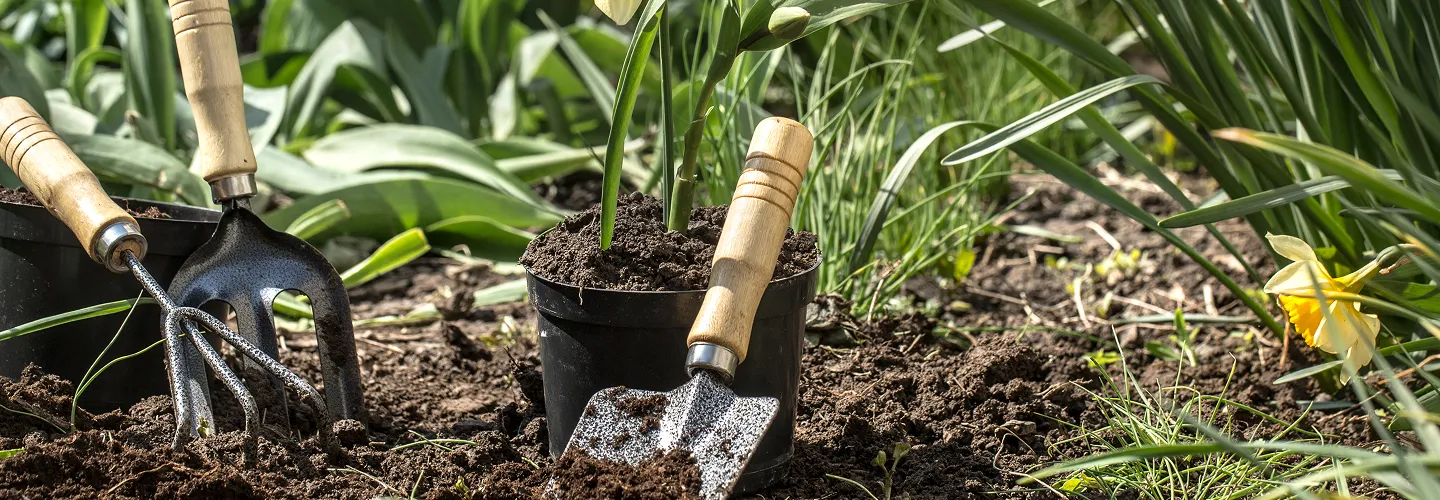
Fairfield Lawn Installation Services
Choose our expert lawn installation for a seamless, hassle-free transformation—enjoy a vibrant, healthy yard that boosts your home's curb appeal and value, all backed by our commitment to quality and customer satisfaction.
Get a Free QuoteOur Fairfield Landscaping & Yard Care Services
When to Schedule Lawn Installation in Fairfield, Connecticut – Seasonal Guide
In Fairfield, Connecticut, the best times for lawn installation are typically early fall and late spring. These periods offer moderate temperatures and consistent rainfall, which are ideal for establishing new turf. Fairfield’s climate, influenced by its proximity to Long Island Sound, brings humid summers and cold winters, so timing your installation to avoid extreme heat or frost is crucial. Neighborhoods like Greenfield Hill and Southport often experience microclimates due to varying elevations and tree coverage, making local expertise essential for optimal results.
When planning your project, consider local environmental factors such as the average last frost date in April and the risk of summer droughts, especially in areas near Lake Mohegan or along the Mill River. Soil composition can vary from sandy loam near the shoreline to heavier clay inland, affecting drainage and root development. For more information on local regulations and best practices, consult resources like the Town of Sudbury’s landscaping guidelines.
Local Factors to Consider for Lawn Installation in Fairfield
- Tree density and shade coverage, especially in wooded neighborhoods
- Terrain and slope, which impact water runoff and soil erosion
- Seasonal precipitation patterns and risk of drought
- Soil type and drainage characteristics unique to your property
- Municipal restrictions or watering schedules that may affect establishment
Benefits of Lawn Installation in Fairfield

Expert Landscaping Services
Premium Quality Sod
Efficient Project Completion
Customized Lawn Solutions
Enhanced Curb Appeal
Sustainable Lawn Practices

Fairfield Lawn Installation Types

Sod Installation
-
Hydroseeding
-
Artificial Turf Installation
-
Seed Lawn Establishment
-
Native Grass Lawns
-
Drought-Tolerant Lawns
-
Overseeding Existing Lawns
Our Lawn Installation Process
Site Evaluation
Soil Preparation
Lawn Installation
Watering and Initial Care
Why Choose Fairfield Landscape Services

-
Fairfield Homeowners Trust Us
-
Expert Lawn Maintenance
-
Reliable Seasonal Cleanup
-
Competitive Pricing
-
Professional Team
-
Satisfaction Guarantee
-
Personalized Service
Soil Preparation and Drainage Considerations for Lawn Installation in Fairfield
Lawn installation in Fairfield requires careful assessment of local soil conditions, which are predominantly Inceptisols and Ultisols formed from glacial till. These soils are often rocky, moderately acidic (pH 5.5-6.5), and may exhibit poor drainage, especially in low-lying or coastal areas. Before installation, it is recommended to conduct a soil test through UConn Extension (typical cost: $15-25) to determine pH and nutrient levels. Amendments such as lime (for pH below 6.0) or compost (2-3 inches tilled to 6-inch depth) are commonly required. Drainage improvements, including the installation of French drains or grading adjustments, may be necessary where seasonal water tables are within 12-18 inches of the surface. For detailed site analysis and compliance with local drainage ordinances, property owners should coordinate with the municipal engineering department.
Fairfield Engineering Department
725 Old Post Road, Fairfield, CT 06824
Phone: (203) 256-3015
Official Website: Fairfield Engineering Department
Timing and Climate Zone Guidance for Establishing New Lawns in Fairfield
Fairfield is located in USDA Hardiness Zone 6b-7a, with optimal lawn installation windows in spring (April 15 - May 30, when soil temperatures reach 50-65°F) and early fall (August 20 - September 30, before first frost). Summer installations are discouraged due to heat stress and increased irrigation demands. The National Weather Service New York, NY Office provides local forecasts to guide timing around rainfall and temperature trends. For cool-season grasses, such as Kentucky bluegrass (Poa pratensis) and perennial ryegrass (Lolium perenne), seeding or sodding during these periods ensures rapid establishment and minimizes weed competition. Key timing recommendations include:
- Spring seeding: April 15 - May 30
- Fall seeding: August 20 - September 30
- Fertilization: Early May and September
- Avoid installation June-August due to heat stress
Municipal Permitting, Setbacks, and Wetland Buffer Requirements for Lawn Installation in Fairfield
Lawn installation projects in Fairfield must comply with municipal zoning, setback, and wetland buffer regulations. Properties adjacent to wetlands or watercourses are subject to a standard 25-foot no-disturbance buffer, with stricter requirements in conservation areas. All new lawns must maintain a 50-foot setback from protected wetlands, and no fertilizer or pesticide application is permitted within this zone. For projects involving significant grading or soil disturbance, a permit from the Building Department is required, with a typical application fee of $75 and a review period of 5-10 business days. Residents should review local ordinances and coordinate with the Conservation Commission for guidance on sensitive sites.
Fairfield Conservation Commission
725 Old Post Road, Fairfield, CT 06824
Phone: (203) 256-3071
Official Website: Fairfield Conservation Commission
Environmental Compliance: Stormwater, State Law, and Federal Regulations in Fairfield
Lawn installation activities in Fairfield are regulated under the Connecticut Environmental Protection Act and the federal Clean Water Act. The town operates under an MS4 (Municipal Separate Storm Sewer System) permit, which prohibits the discharge of soil, grass clippings, or fertilizers into storm drains. All installation debris must be collected and disposed of according to town guidelines. Buffer zones of at least 25 feet from wetlands and 50 feet from water bodies are enforced to protect local resources such as Ash Creek and Pine Creek. For further information on stormwater compliance and reporting, consult the state agency below.
Connecticut Department of Energy and Environmental Protection
79 Elm Street, Hartford, CT 06106
Phone: (860) 424-3000
Official Website: Connecticut Department of Energy and Environmental Protection
Equipment Operation Hours, Safety Standards, and Professional Practices for Fairfield Lawn Installation
Fairfield enforces municipal noise ordinances for outdoor equipment operation during lawn installation. Permitted hours are:
- Monday-Friday: 7:00 AM - 7:00 PM
- Saturday: 8:00 AM - 6:00 PM
- Sunday and holidays: Prohibited All operators must use commercial-grade equipment with functioning mufflers, and noise levels must not exceed 85 decibels at property lines. Safety protocols require the use of ANSI Z87.1 safety glasses, hearing protection for equipment over 85 dB, steel-toed boots, and high-visibility vests when working near roadways. For projects near public infrastructure, coordination with the Department of Public Works is required to ensure compliance with traffic safety and access standards.
Fairfield Department of Public Works
725 Old Post Road, Fairfield, CT 06824
Phone: (203) 256-3010
Official Website: Fairfield Department of Public Works
What Neighborhoods Do We Serve Throughout Fairfield, CT?
- Greenfield Hill: Characterized by large lots, mature trees, and rocky glacial till soils with moderate drainage challenges. Installation projects often require soil amendment and careful grading.
- Southport: Historic district with smaller lots, proximity to Long Island Sound, and sandy coastal soils. Salt exposure and drainage management are key considerations for new lawns.
- Fairfield Beach: Coastal neighborhood with sandy, well-drained soils but high salt and wind exposure. Lawns here benefit from salt-tolerant grass varieties and windbreaks.
- Stratfield: Densely developed area with compacted urban soils and limited green space. Soil aeration and organic matter incorporation are frequently needed.
- Tunxis Hill: Mixed residential and commercial properties, moderate slopes, and variable drainage. Projects may require erosion control and compliance with commercial zoning setbacks.
- University Area: High student population, frequent property turnover, and heavy foot traffic. Durable turf species and rapid establishment methods are recommended.
- Brooklawn: Features older homes, mature landscaping, and clay-rich soils with slow drainage. Drainage improvements and pH adjustment are common requirements.